Common Causes of Damage in Brick and Stone Flatwork
Understanding common causes of damage in brick and stone flatwork helps connect you with local contractors who can effectively repair and restore your surfaces.
Understanding the common causes of damage in brick and stone flatwork is essential for property owners looking to preserve the beauty and integrity of their outdoor surfaces. Over time, factors such as freeze-thaw cycles, moisture infiltration, and ground movement can lead to cracking, shifting, or deterioration. Recognizing these issues early can help prevent more extensive repairs down the line, making it practical to explore options for repair and maintenance. Local contractors experienced in brick and stone flatwork damage repair are well-equipped to assess the specific causes affecting a property and recommend effective solutions to restore and protect these surfaces.
Property owners in the area often find it beneficial to learn about how environmental and structural factors contribute to flatwork damage. Poor drainage, improper installation, and exposure to fluctuating weather conditions can accelerate wear and tear. Addressing these causes with the help of skilled service providers ensures that repairs are properly handled, maintaining the durability and appearance of brick and stone flatwork. Keep reading to discover more about these common issues and how local specialists can assist in keeping outdoor surfaces in top condition.
- Brick and stone flatwork damage repair may be needed when cracks develop due to settling or ground movement, and local contractors assess the foundation stability before repairs.
- Brick and stone flatwork can suffer from surface spalling caused by freeze-thaw cycles, with service providers applying sealing and patching techniques to restore the surface.
- Brick and stone flatwork may experience staining or discoloration from exposure to moisture or chemicals, prompting local pros to clean and restore the affected areas.
- Brick and stone flatwork damage caused by improper installation or poor drainage often results in uneven surfaces, which local contractors repair through leveling and reinforcement.
- Brick and stone flatwork can be compromised by root intrusion or impact damage, with service providers performing targeted repairs to prevent further deterioration.
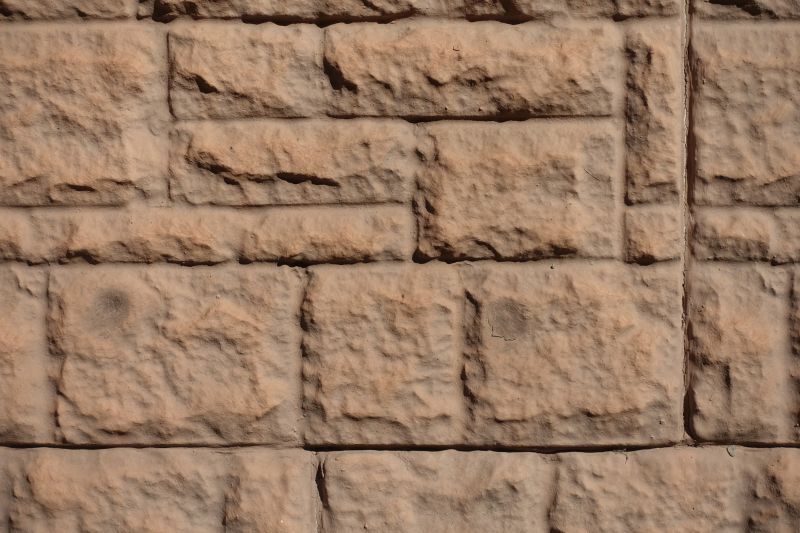
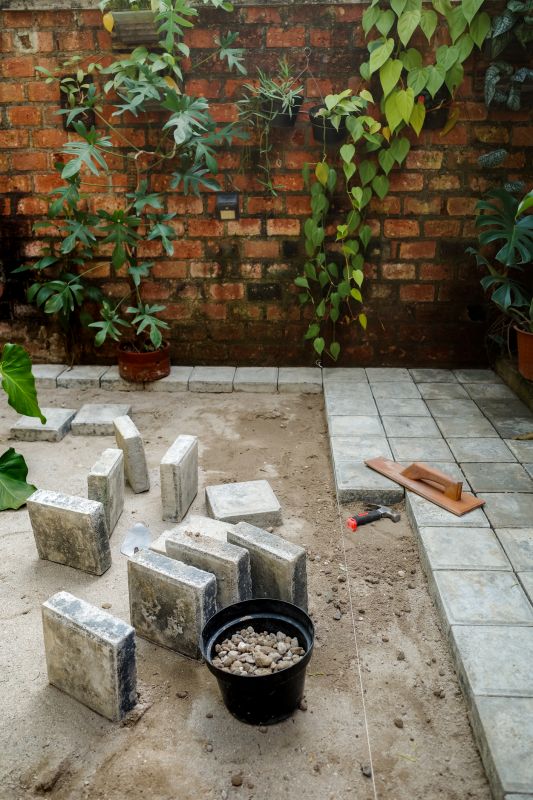
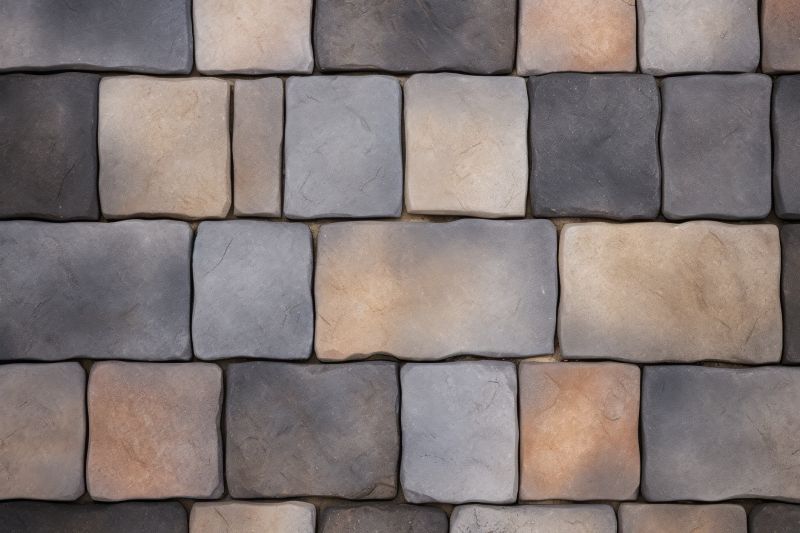
When homeowners search for information about common causes of damage in brick and stone flatwork, they are often trying to understand why their paved surfaces are showing signs of deterioration. These flat surfaces, which include patios, walkways, driveways, and other paved areas, are essential elements of many properties. Damage to these surfaces can lead to safety hazards, increased maintenance costs, and the need for repairs or replacements. People typically look into this topic when they notice cracks, uneven surfaces, loose bricks or stones, or other issues that compromise the integrity and appearance of their flatwork. Understanding the root causes helps property owners plan for repairs and choose the right service providers to address the problems effectively.
Several common causes of damage in brick and stone flatwork relate to environmental factors, installation issues, and ongoing wear and tear. Exposure to freeze-thaw cycles is a primary culprit, especially in regions with cold winters, where water infiltrates the joints or cracks, freezes, and expands, causing the material to crack or spall. Poor drainage can also contribute significantly, as standing water beneath or around the flatwork weakens the foundation and promotes shifting or settling. Additionally, improper installation-such as inadequate base preparation or insufficient joint filling-can lead to uneven settling and cracking over time. Regular use and heavy loads can further accelerate wear, especially if the flatwork was not designed to handle such stress, resulting in loose or cracked bricks and stones.
The types of properties most commonly affected by damage in brick and stone flatwork include residential homes with patios and driveways, commercial properties with walkways, and public spaces like parks or plazas. Residential properties often experience damage due to seasonal weather changes, heavy vehicle traffic, or shifting soil beneath the flatwork. Commercial and public spaces are also prone to damage from high foot traffic, heavy equipment, or improper installation. These issues often prompt property owners to seek out local contractors who specialize in brick and stone flatwork repair. Such service providers can assess the extent of damage, identify the underlying causes, and recommend appropriate solutions to restore safety, functionality, and aesthetic appeal.
Understanding the common causes of damage in brick and stone flatwork helps property owners recognize when repairs are needed and what factors may have contributed to the deterioration. Local service providers who specialize in flatwork repair can address these issues by performing proper repairs, restoring the flat surfaces, and implementing preventative measures to reduce future damage. Whether dealing with cracks from freeze-thaw cycles, settling due to poor drainage, or loose stones from heavy use, these professionals have the experience to handle a variety of problems. Connecting with experienced contractors ensures that repairs are done correctly, helping property owners maintain durable and attractive flatwork that stands up to environmental and structural challenges.
Paving installation projects involve similar skills and planning as brick and stone flatwork, requiring proper surface preparation and material handling to prevent damage caused by shifting or settling.
Retaining wall construction relies on precise planning and foundational work, paralleling the techniques used to address structural issues in brick and stone flatwork caused by environmental stressors.
Concrete pouring and finishing demand attention to joint placement and curing processes, which are also critical in preventing cracks and damage in flatwork surfaces.
Driveway and sidewalk repair projects often encounter issues like cracking and heaving, similar to common causes of damage in brick and stone flatwork, requiring skilled repair from local contractors.
Patio and walkway remodeling involve surface leveling and material selection, skills that help mitigate damage caused by improper installation or environmental factors.
Masonry restoration services focus on repairing and preserving existing brick and stone structures, sharing techniques used to address common causes of damage in flatwork surfaces.
When evaluating service providers for brick and stone flatwork damage repair, it is important to consider their experience with similar projects. Local contractors who have handled repairs for common causes of damage in brick and stone flatwork are more likely to understand the specific challenges involved, such as settling, freeze-thaw cycles, or improper installation. An experienced professional can assess the unique conditions of a property and recommend appropriate repair strategies, helping to ensure the longevity and durability of the flatwork.
Clear, written expectations are essential when choosing a contractor for brick and stone flatwork repair. A reputable service provider should be able to provide a detailed scope of work, outlining the repair process, materials to be used, and the estimated timeline. This transparency helps homeowners understand what to expect and reduces the chances of misunderstandings or surprises during the project. Well-documented expectations also serve as a reference point should any questions or concerns arise during the repair process.
Reputable references and good communication are key indicators of a reliable contractor. A trustworthy local contractor should be able to provide references from previous clients who had similar repair needs. Speaking with past customers can offer insights into the contractor’s professionalism, quality of work, and ability to meet deadlines. Additionally, effective communication throughout the project-such as responsiveness, clarity, and willingness to address questions-can greatly contribute to a smooth repair experience. Ensuring these qualities can help homeowners feel confident in selecting a service provider capable of addressing common causes of damage in brick and stone flatwork.
Property owners often search for common causes of damage in brick and stone flatwork when they are planning practical projects around their homes and businesses. Local pros provide Brick and Stone Flatwork Damage Repair services for everyday jobs and straightforward project options.
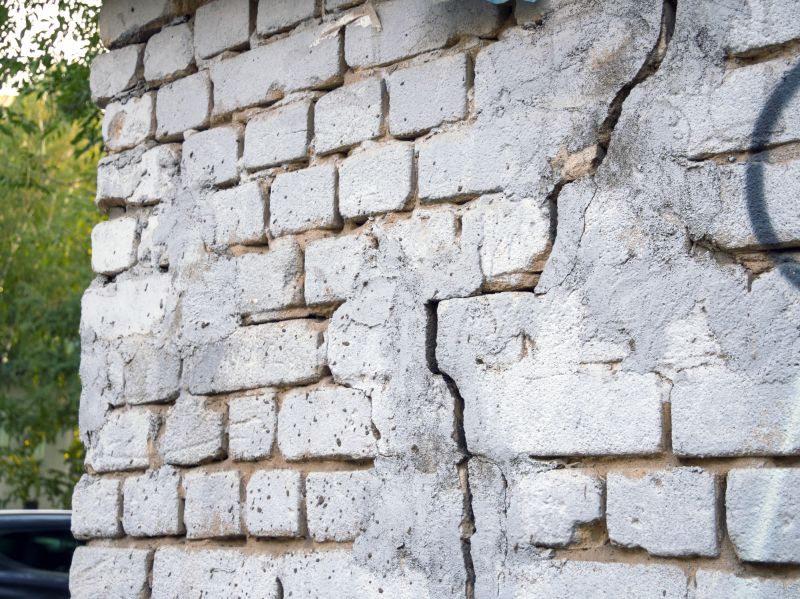
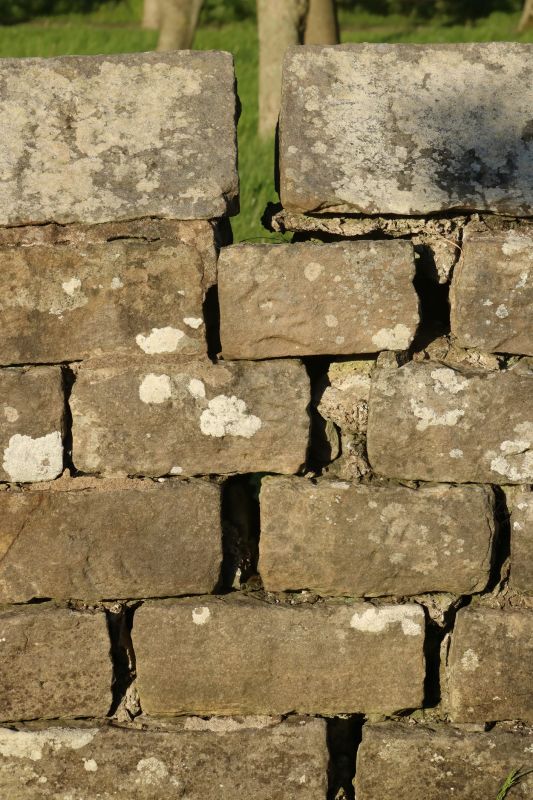
Understanding the common causes of damage in brick and stone flatwork can help property owners identify issues early and seek appropriate repairs. Everyday situations such as heavy foot traffic, frequent vehicle use, or outdoor furniture placement can gradually wear down the surface, leading to cracks, chipping, or uneven settling. Additionally, exposure to harsh weather conditions like freeze-thaw cycles, heavy rain, or prolonged moisture can weaken the materials over time, causing deterioration that requires professional attention.
Many instances of damage stem from improper installation or inadequate initial construction, which might not be immediately apparent but can result in issues down the line. Over time, shifting ground, poor drainage, or root growth from nearby landscaping can also exert pressure on the flatwork, leading to cracks or bulges. When these problems arise, property owners often look for experienced local contractors who specialize in brick and stone flatwork repair. These service providers can assess the damage, determine its cause, and recommend the appropriate repair solutions to restore the flatwork’s integrity and appearance.
What are common causes of damage in brick and stone flatwork? Common causes include freeze-thaw cycles, improper installation, and exposure to moisture, which can lead to cracking and deterioration. Local contractors can assess and repair damage caused by these issues.
How does moisture contribute to flatwork damage? Excess moisture can seep into the material, causing it to weaken, crack, or spall over time. Service providers can identify moisture-related problems and recommend appropriate repairs.
Can improper installation lead to damage in brick and stone flatwork? Yes, poor installation practices such as inadequate base preparation or improper joint filling can cause shifting, cracking, and other forms of damage. Local pros can correct installation-related issues.
What role do temperature changes play in flatwork damage? Temperature fluctuations cause expansion and contraction, which can lead to cracking and surface deterioration. Repair specialists can address damage resulting from thermal stress.
Are plant roots a common cause of damage in brick and stone flatwork? Yes, roots from nearby trees or shrubs can exert pressure, causing cracks or upheaval. Experienced service providers can evaluate and repair damage caused by root intrusion.
Heavy loads and impacts - Consulting local service providers can help reinforce or replace flatwork that has cracked or shifted due to heavy equipment or foot traffic.
Improper installation practices - Local pros can assess and correct issues caused by poor foundation prep, inadequate joint spacing, or substandard materials.
Vegetation and root intrusion - Property owners might seek repair services to address damage from tree roots or plant growth exerting pressure on flatwork surfaces.
If you are thinking about common causes of damage in brick and stone flatwork for a property, this guide is meant to help you understand this topic, the typical project types, and how different options might fit your plans.
When you are ready, you can use the quote form on this page to share a few details about your project. From there, local pros can review the basics and follow up with options that match what you have in mind.